Uzbekistan Climate: When to Visit and How to Prepare

Uzbekistan climate seasons, regions and activities

Climate and choosing when to visit

Choose when to visit Uzbekistan alongside your itinerary. For walks through historic cities, start by considering spring or autumn; a day in the mountains, a desert trip and winter skiing each need their own planning.

If you have already booked your tickets, adapt the length of your walks, departure times and rest stops to the season.

Cities and valleysDesert tripsMountains and relaxation
Season
compare across your itinerary
Forecast
check before setting off
Updated
14 September 2026
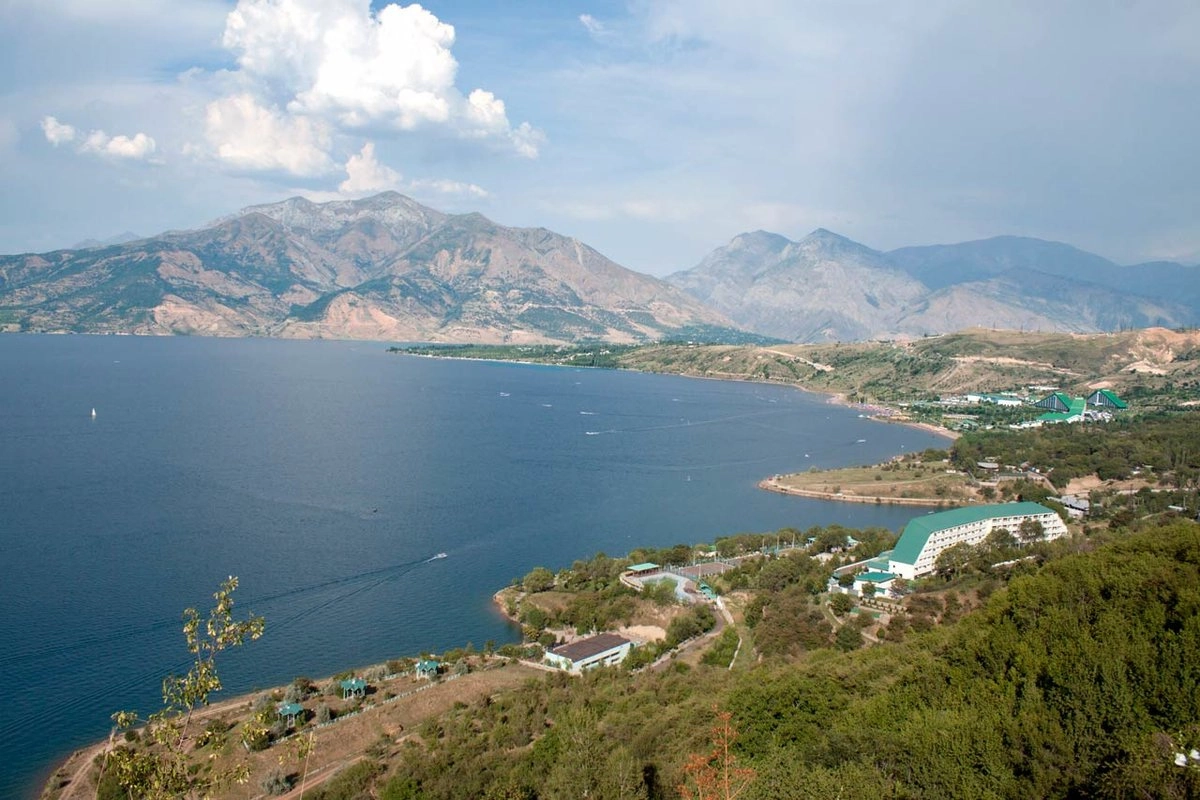
Charvak: a reservoir surrounded by mountains
Charvak Reservoir and the surrounding mountains
Different landscapes call for different travel plans. The photograph shows Charvak Reservoir.

What to know about the climate

Uzbekistan has marked differences between the seasons and between daytime and night-time temperatures. Summers are long, hot and dry; spring is wetter, while mild spells in winter can give way to cold weather. These are general climate patterns, not a forecast for your holiday dates.

Plains, valleys and mountains call for different preparation. The foothills and some mountain slopes receive more precipitation than desert areas. A forecast for Tashkent alone is therefore not enough for an itinerary that includes the mountains or the Aral Sea region. For more on the landscape, see “Geography of Uzbekistan”.

What 2021–2025 showed

2021: a warm, dry year

According to Uzhydromet, the year was warmer than the climatic average across the country. Most of Uzbekistan received less precipitation than usual, while Khorezm Region was close to the average. Take regional differences into account when choosing an itinerary: conditions vary between the desert, oases and mountains.

2022: a rainy March

March brought frequent rain. Monthly precipitation totals in central and eastern areas were the highest of the 21st century, while Namangan Region recorded its highest total for March on record. This describes March, not the whole year. Waterproof footwear and a backup plan with museums are useful for a spring trip.

2023: a cold January in a warm year

Uzhydromet ranks 2023 among the warmest years on record in Uzbekistan. Yet January was unusually cold across most of the country, while March was one of the warmest on record. An annual figure does not guarantee a mild winter: choose winter clothing and the length of your walks according to the forecast for your travel dates.

2024: a warm January and a wet May

January was considerably warmer than usual across most of the country. Uzhydromet identifies May, alongside May 2022, as one of the wettest in recent years across most of Uzbekistan. These monthly observations do not describe the whole of 2024. When planning spring walks and mountain trips, leave room to reschedule in heavy rain.

2025: one of the warmest years

According to Uzhydromet, 2025 was among the warmest years on record in Uzbekistan and the warmest in Tashkent. It was a very dry year in most regions; precipitation in the north-west and far south remained close to the average. Even in spring, plan breaks in the shade and walks during the cooler hours.

What this means for your trip

This overview covers the five complete years from 2021 to 2025, combining annual summaries with notable monthly events. The year 2026 is not yet complete. The practical lesson is that warm years can still bring freezing weather and heavy rain. For a city itinerary, start with spring or autumn, but check the forecast for each region. Five years cannot replace long-term climate statistics or predict the weather on a future trip.

A calendar to help plan your trip

How to use the calendar

The calendar will help you choose when to travel with seasonal conditions in mind. Before setting off, check the weather forecast and whether your chosen route is accessible.

March

Combine cities and museums, with room to change the order of visits. Pack layers and have a backup plan for wet weather.

April–May

Allow time for longer city walks, combining architecture with trips outside town. Arrange any mountain walk separately; comfortable conditions in the city do not mean the trails are ready.

June–August

Explore cities in short outings and plan a separate mountain break. Schedule the longest stretch on foot for the morning and allow time to rest during the day.

September–October

Explore cities and combine several regions. Pack an extra layer for evenings and trips into the countryside.

November

Choose a more compact itinerary with museums and workshops. Avoid making the whole day depend on outdoor walking.

December–February

Take city visits at a relaxed pace; plan a ski trip when the slopes are open. Check heating, road conditions and whether the resort is operating.

How to plan for each region

Check conditions separately for every part of your itinerary. Suggested months are a starting point for planning; the decision to set off needs a forecast and checks for the place you intend to visit.

Tashkent

City walks Breaks between visits

For a first visit to Tashkent, spring and autumn are useful starting points when choosing dates. Plan both the places you want to see and the walking distances between them. In summer, allow for a morning walk and a daytime rest; fit museum visits around their actual opening hours.

Samarkand

Architecture A flexible daily schedule

For sightseeing in Samarkand, consider spring and autumn first. On a summer trip, split outdoor visits into a short morning outing and another in the evening. If you are travelling with children or prefer shorter walks, allow for a break near your main stop.

Bukhara

The old town Preparing for a walk

Spring and autumn are also useful starting points when choosing dates for Bukhara. In winter, leave room to shorten outdoor visits. When choosing a hotel, checking room heating is more useful than relying only on photographs of the courtyard. In summer, build time for a daytime rest into your itinerary.

Khiva, the north-west and the Aral Sea region

A separate forecast Overnight conditions

For Khiva and trips farther north-west, do not rely on the forecast for the capital. The north of the country is generally colder than the south in winter. For a trip to the Aral Sea, make a separate list of daytime and overnight conditions: staying in a city hotel and spending the night outside town need different preparation. Start by considering April–May and September–October. Before confirming the trip, agree on the route, overnight arrangements, shelter from the wind and what to do if the weather changes. An attractive desert photograph does not show road conditions on your chosen day.

Termez and the south

Archaeology Open-air sites

Consider Termez separately from northern cities: the country’s general climate patterns show a warmer south. For a trip to open-air archaeological sites, start by considering March–April or October–November, then compare the forecast for your dates. If you travel in summer, decide in advance which visits matter most and how long you are prepared to spend without shade. Leave room to change the order of stops instead of filling the entire day with open-air sites. A milder season still calls for checking the opening arrangements at each monument.

Fergana Valley

Cities and workshops The road over the pass

The valley is surrounded by mountain ranges on three sides. Distinguish between the forecast for the valley’s cities and conditions on the road there: weather at your overnight stop does not describe the mountain pass. For a mix of walks and workshop visits, start by considering April–May and September–October. At other times, you can allow more time for indoor activities. If driving from Tashkent, check conditions at the Kamchik Pass separately, just before the journey; an old notice that restrictions were lifted does not confirm today’s conditions.

Mountain areas

The specific trail Checking warnings

You can fit a summer mountain trip between days in the cities, but a reservoir recreation area, a walk near a resort and a trek at altitude need different planning. For a walking route, establish the exact trail, its length, elevation gain, turnaround point and surface conditions. Avalanches can occur in the mountains, and heavy precipitation can cause mudflows. Before setting out, check warnings and local restrictions; general seasonal advice does not confirm that a trail is accessible. Our guide to nature trips in Uzbekistan can help you compare options.
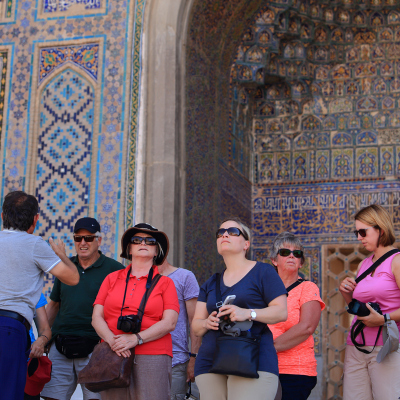
Choose a season to suit your activity

Architecture, photography and workshops

For architecture and city photography, leave time for walking between sights and returning to a chosen spot. Arrange craft workshop visits in advance: an indoor visit can help you adapt a day to bad weather, but you should not assume that visitors will always be admitted.

Trekking

For trekking, the summer months are only the starting point for planning a route. Ask about the specific altitude, snow on the trail, guiding arrangements and options for shortening the walk. A forecast for the nearest large city cannot answer these questions.

A ski trip

Plan a ski trip around the resort’s information on open slopes and operating lifts. Snow in a photograph, or the fact that it is winter, does not confirm that skiing is available. The Amirsoy day trip from Tashkent page explains the format of the outing; check conditions for your chosen date before confirming the programme.

A break at Charvak

Plan a break at Charvak for the specific place you intend to visit: a scenic outing and a day with swimming are different programmes. For the latter, check in advance whether your chosen recreation area is open and what conditions are like on site, rather than inferring them from the region’s air temperature.

What to pack and check before departure

Pack for the most demanding part of your itinerary. Comfortable shoes, a sun hat, sunglasses and a water bottle are useful for city walks. For changeable weather, bring layers and rain protection; agree on a separate packing list with your host or organiser for an overnight stay in the mountains or desert.

Check three things: the daytime and overnight forecast for where you will stay, warnings along the way and opening arrangements at planned sights. Before a long drive, confirm the stops; before a nature trip, save the organiser’s contact details and agree on a backup plan. Look for forecasts and warnings from Uzhydromet, checking the issue date, area covered and validity period. Climate information helps you choose a season in advance; the decision to set off requires current information.

Questions before your trip

Should I cancel a summer trip to the cities?

It depends on how you cope with heat and how much you can adapt your itinerary. Start by shortening long daytime walks, allowing time for rest and checking the forecast. If that pace does not suit you, consider different dates.

Can I pack the same clothes for the cities and the mountains?

It is better to make a list for each part of the trip, then combine them. Altitude, your return time and whether you will stay overnight are especially important: the word “summer” does not answer these questions.

Can snow for skiing be guaranteed in advance?

No. Before the trip, you need confirmation that the resort is operating and information about the specific slopes. Seasonal expectations do not replace these checks.

Find an itinerary for your dates

If your dates are already fixed, tell CAJ which cities you want to visit, how long you have and what you would like to do. This makes it easier to discuss a programme with a suitable pace and backup options.

Discuss your trip with CAJ

Uzbekistan tours

Compare the published programmes, then discuss how to fit your chosen cities and activities around your dates.

Amirsoy day trip from Tashkent

Explore the format of a one-day outing. Check which slopes and lifts are operating, and the conditions for your chosen date, before confirming the programme.

CAJ.UZ ● AI Travel Assistant